Weekly live session
75 minutes. Recorded if you can't make it.
 ← Home
The Fractional Operator's Working Group
A weekly working group for fractional CMOs, CROs, CFOs, and COOs who use Claude across their clients and want to get a hell of a lot more out of it.
Show up. See if it's your room. No commitment.
You're a fractional executive. You run 3, 5, maybe 8 clients. Every one needs something different. Every one thinks they're your only client.
You're using Claude. Maybe ChatGPT too. It helps. But you know there's a version of this where Claude isn't just answering questions, it's actually doing the work. Drafting the board memo. Loading the client's voice. Holding the strategic context so you don't have to.
You haven't built that yet. Most fractionals haven't. Not because they're behind, because nobody's shown them how.
I run a small group of fractional operators who are figuring this out together. Once a week, 75 minutes. I open with what I've built. Then we pass the mic. Real client problems, real Claude setups, real working sessions. No theory.
Show up. See if it's your room. No commitment.
75 minutes. Recorded if you can't make it.
Fractional operators between sessions.
Grows every week. Claude Projects, Custom GPTs, prompts, agents.
In Slack between sessions.
Each one is a piece of scar tissue from my own work. I'll write up each in detail and we'll work through them in sessions. The point isn't the list. The point is what happens when a room of fractional operators starts building on top of it together.
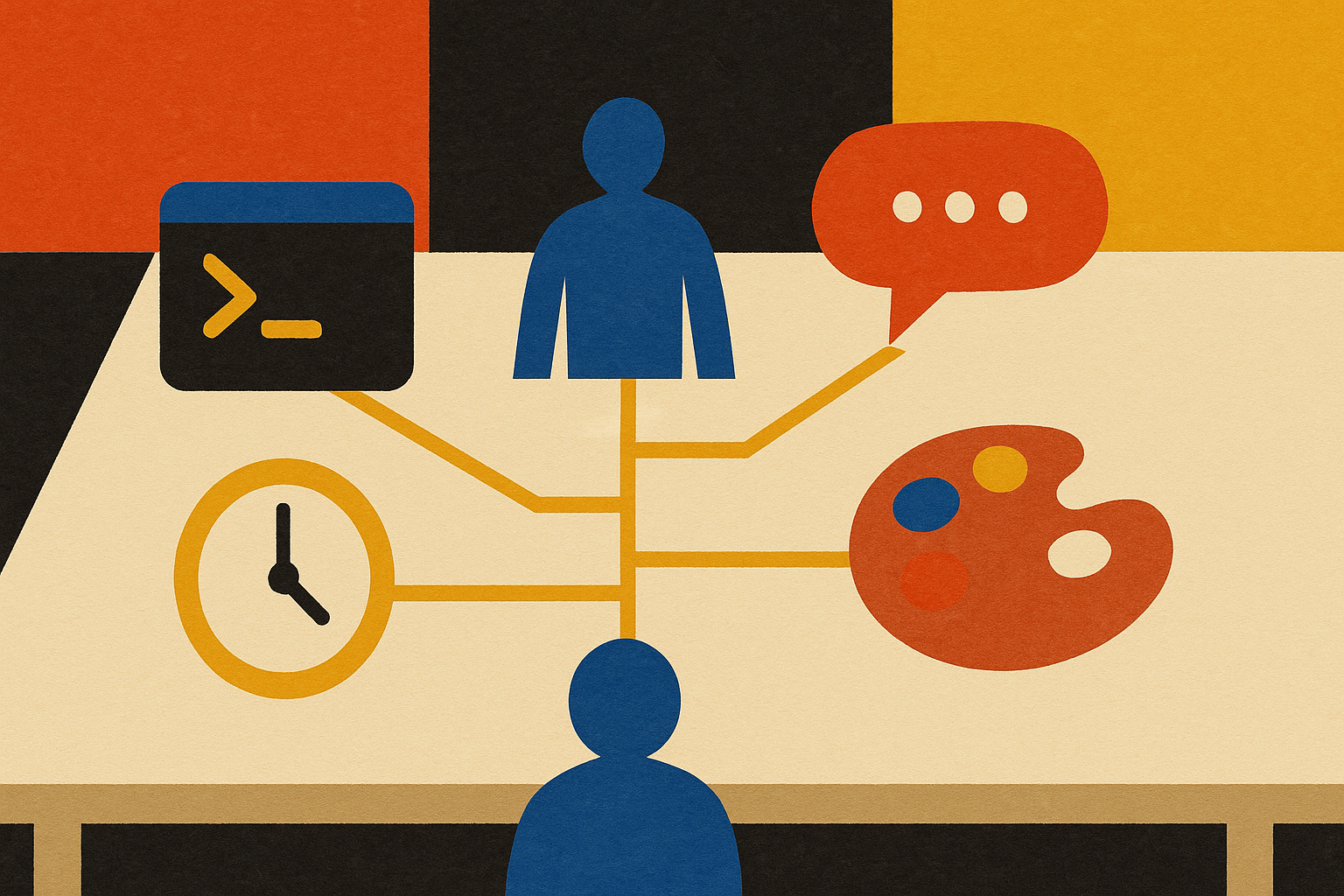
Foundation session. We set up Claude Code, Claude as coworker, Claude Dispatch, and Claude Design side-by-side. Homework: by the next session you'll have at least one client's stack configured end-to-end and running.

In session: timed exercises solving real client problems, AI-first. Homework: log every default-to-Google moment this week and bring the misses back to the room.

In session: we audit each other's AI outputs for hallucination and drift in real time. Homework: take one piece of AI work you've shipped recently and hunt the lie.

In session: we load one client's full strategic context into a Claude Project live, then watch the output change in front of you. Homework: build a real context pack for one client by next week.

In session: we rewrite each other's first-draft prompts to force clarifying questions plus rationale. Homework: bring three of your trickiest situations next time. We solve them in the room.

In session: we reverse-engineer five real client deliverables backwards from outcome. Homework: write the goal-first version of next week's biggest task before you start working on it.

In session: we role-play giving feedback to AI the way you'd coach a new VP. Homework: hold a 'manager 1:1' with one of your AI agents this week and bring what changed.

In session: we extract your decision-making patterns and load them into a Claude Project live in the room. Homework: ship one Project that thinks like you on one specific domain.
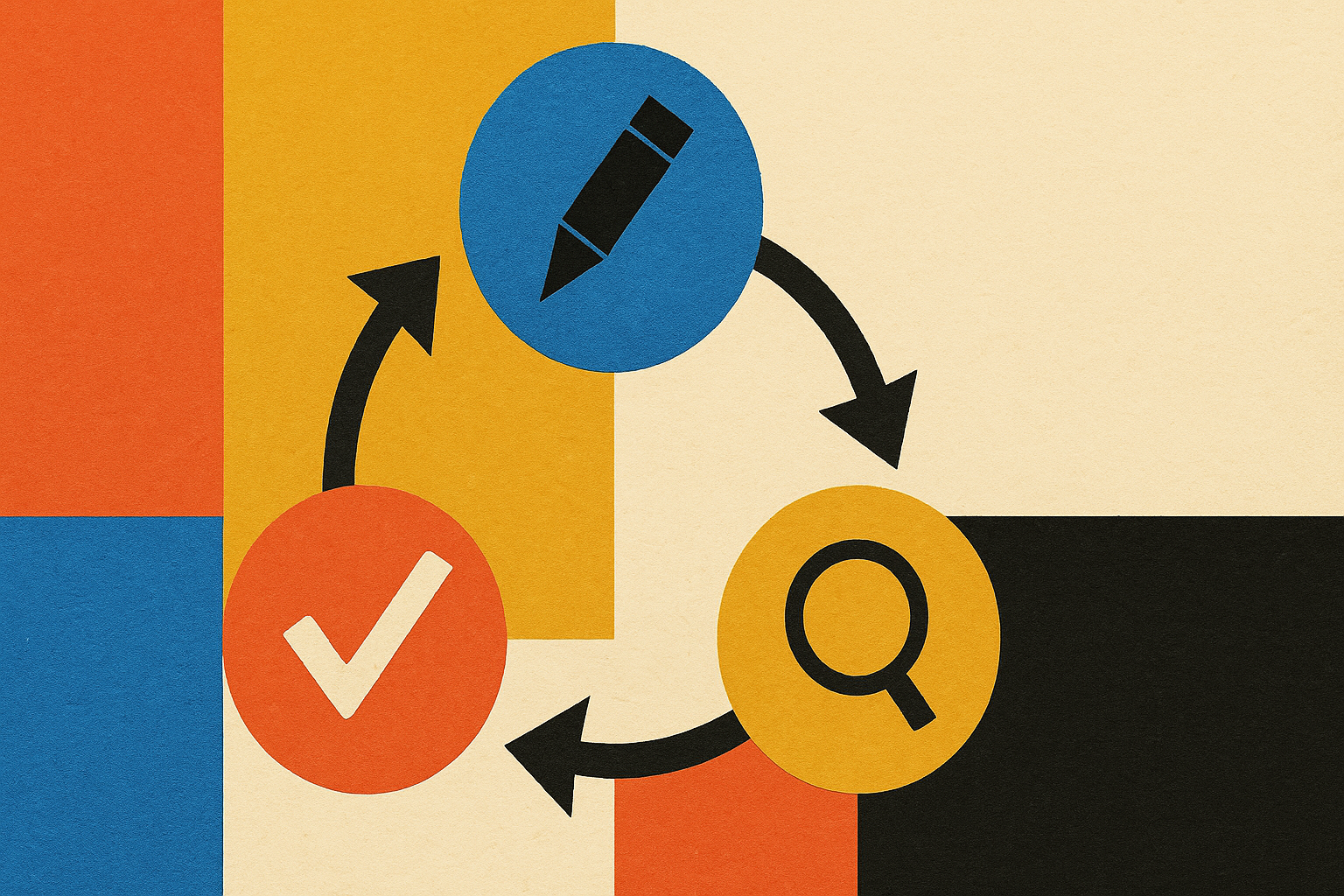
In session: we wire a draft → grade → quality-check loop together in real time. Homework: install one feedback loop on the work you do most often. Measure the time saved.

In session: each person brings three weekly processes. We turn them into Claude-runnable SOPs live. Homework: install the SOPs and use them all week.
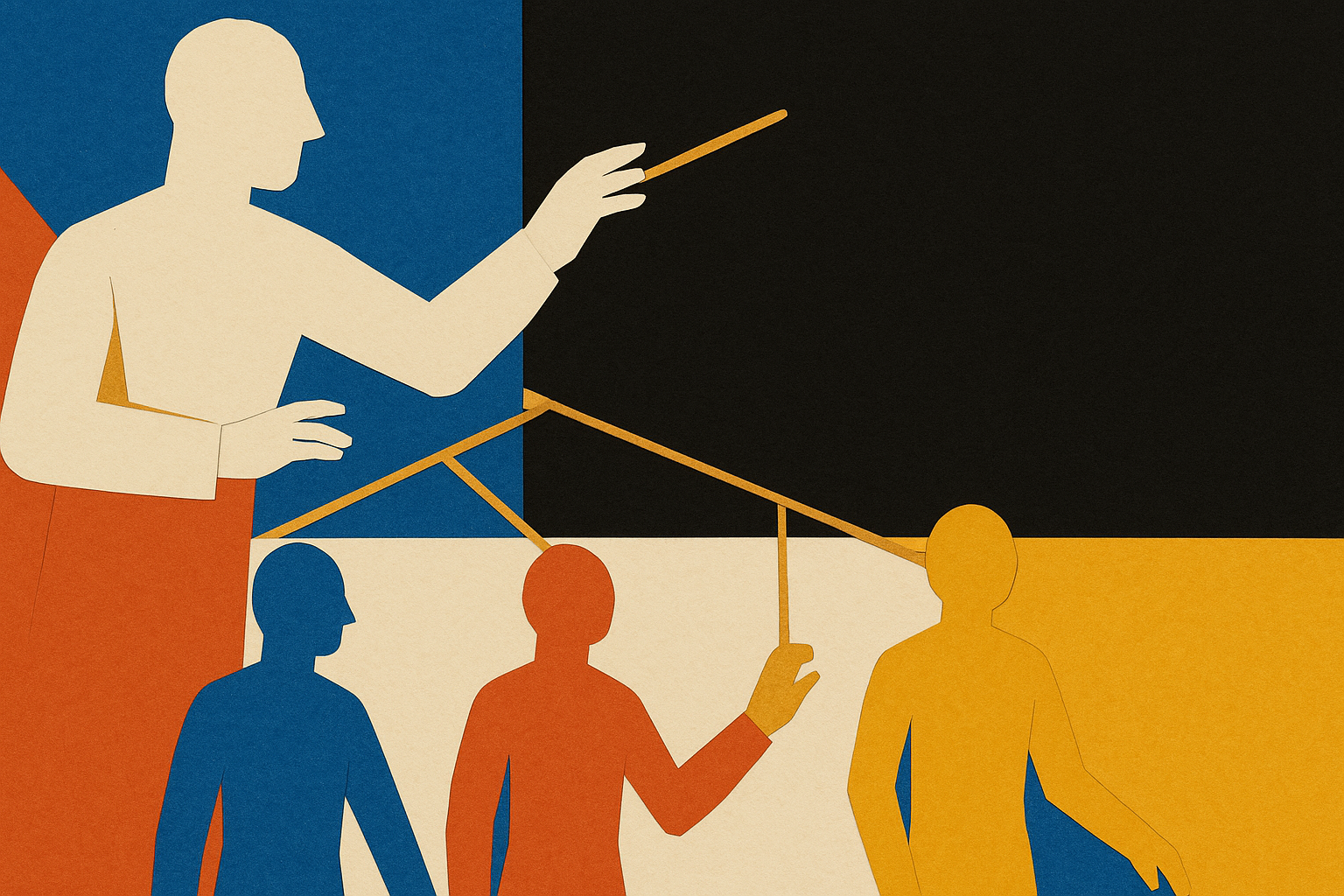
In session: we design a three-agent orchestration for one of your clients live. Homework: ship a v1 of the multi-agent system before the next session.

In session: we connect Claude to one of your real tools (Gmail, Drive, Canva, Airtable) in real time. Homework: ship one end-to-end automation that actually DOES the work, not just suggests it.

In session: we identify the highest-leverage thing you already do well and design AI amplification around it. Homework: ship the amplifier this week and report the lift back to the group.
Hat tip to Sabrina Romanov, whose list of AI working principles got me building the fractional operator version of this.
Show up. See if it's your room. No commitment.
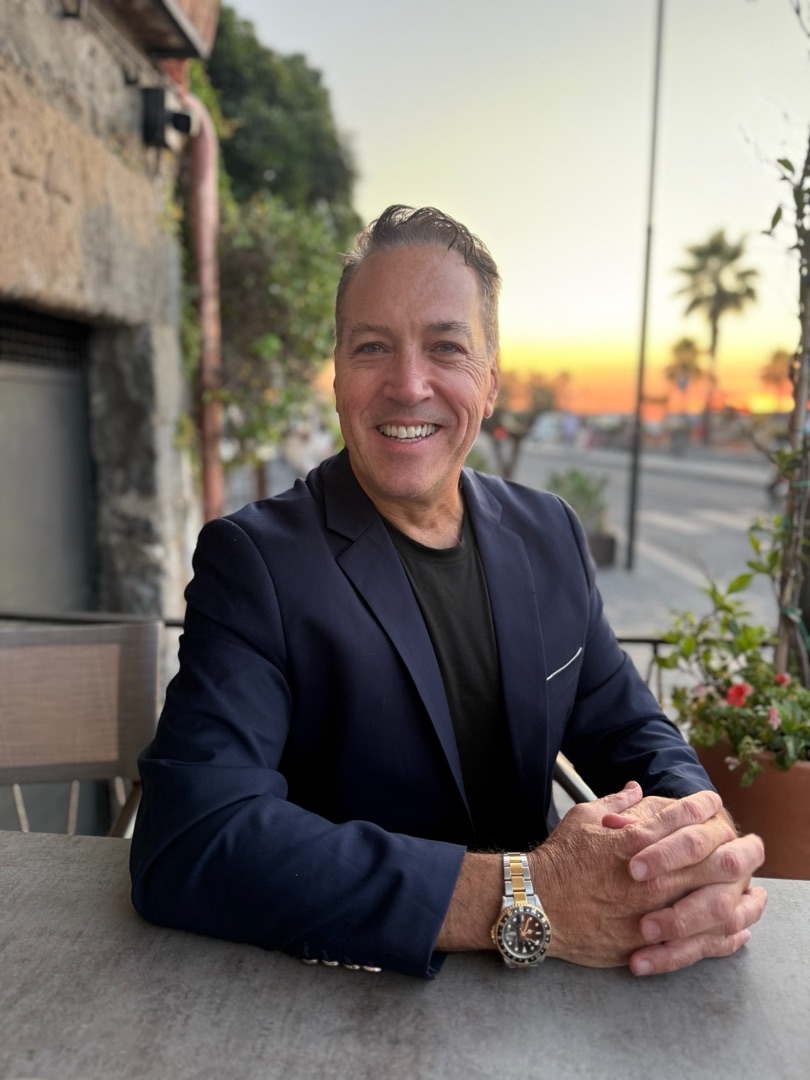
Greg Rosner, founder of PitchKitchen.
60 years old. Four kids, youngest still in diapers.
PitchKitchen is a 7-figure consultancy. Over $1M in revenue. Run solo, no team. Open Kitchen is the operating model that makes it possible.
I run 3 to 7 client engagements at a time. Every client has named AI agents trained on their strategic narrative and voice. Those agents spin up websites, landing pages, sales enablement... the deliverables a marketing agency used to charge $50K for and take 90 days to ship.
I have a mission command center of seven full-time AI agents running 24/7. They have names: Tara, Sara, June, Bob, Spike, Gary, and Cleo. I built the whole thing myself, in a day, without knowing how to code.
Open Kitchen is built on a thesis. AI has collapsed the deliverable layer of marketing. The thinking still matters. The HTML doesn't.
I've got 300+ CEOs of work behind me. Scars from trying to build my own version of Claude (security nightmare, burns tokens, has to be babysat). I crossed the chasm and came back with the map.
I'm not an AI guru. I'm an operator who built the thing and wants to show other operators how to build their own version.
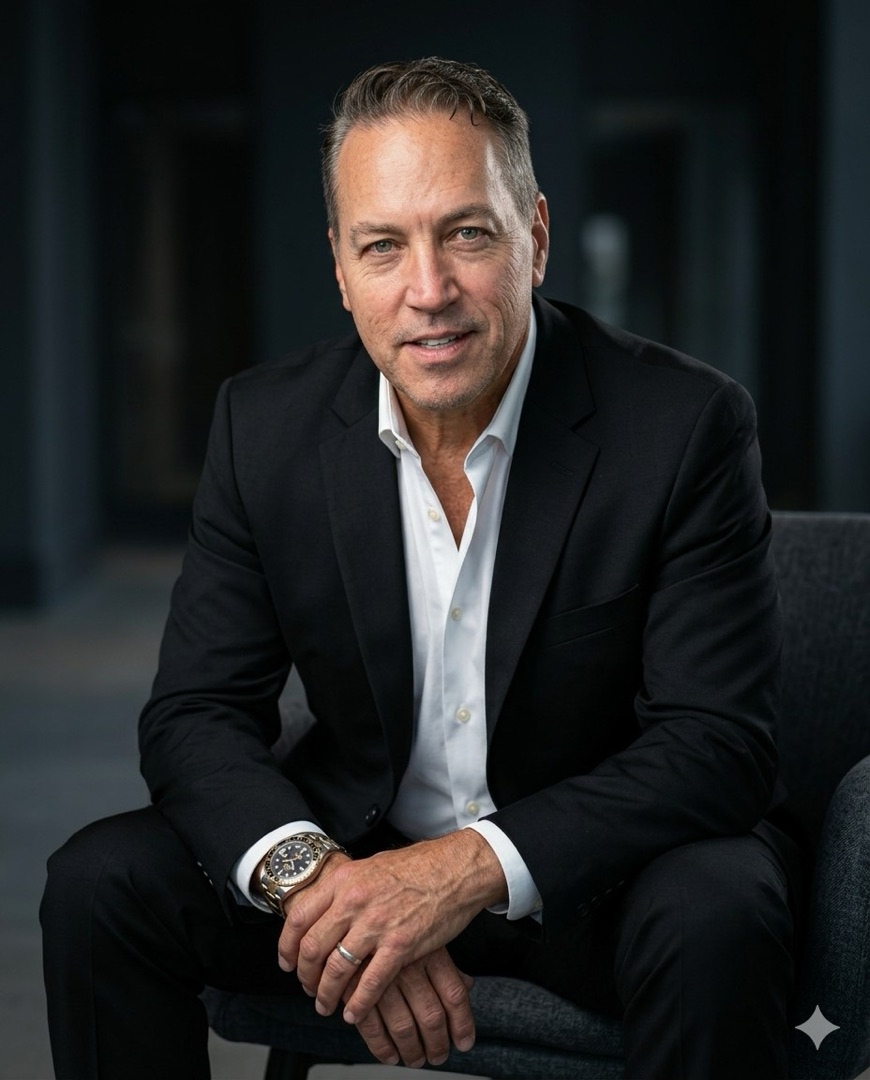
I'm doing this for two reasons. One is the pull. One is the warning.
The pull. I've seen what's possible on the other side of the chasm. Running a practice that used to require a team of 10 with 7-figure overhead, running it solo with agents. That's not theoretical. That's my day. Other operators deserve to see this.
The warning. Fractional executives who don't get into the messy middle of working with AI are going to get left behind. Companies are going to start expecting AI-leveraged operators in the next 12 to 18 months. The fractionals who can't show up with that leverage are going to lose engagements to the ones who can.
I'm part Pied Piper, part Chicken Little on this. I don't know which one I am on any given day. Both feel true.
I'm building this group because I want other fractionals and operators in the room. Not as students. As peers who get into the mess together and figure out what the next version of this work looks like.
When you're ready to lock in
Your first workshop is free. Come see if it's your room. I don't run free workshops forever, though ... if you want to keep coming and join the group, it's $50/month. Lock in the charter rate before the 25 seats fill. After that, it's $100/month.
Cancel anytime, no notice required. Monthly billing. No annual lock-in. No tiers. Just one membership.
Reserve your seat at the next free workshop →Your first workshop is free. Show up, see if it's for you. When you're ready to keep coming, lock in the $50/month charter rate ... just let me know. Cancel anytime once you've joined ... no questions asked, no notice period.
Fractional operators figuring out AI together. That's the whole thing.