
Why do competitors with weaker products win more deals than us?

By Greg Rosner
Founder of PitchKitchen · Author of StoryCraft for Disruptors
· Updated · 8 min read
TL;DR
You're losing deals even though your product is better because buyers can't judge product quality before they buy, so they choose the vendor whose story they understood fastest. Clarity is the one thing they can see. The vendor who names who they're for, what old way they're against, and why it matters wins the deal the better product should have won. Gartner found buyers who get help making sense of a decision are 2.8 times more likely to find it easy and 3 times more likely to buy bigger. The fix is a sharper story the buyer can repeat.
The better product loses more often than anyone wants to admit.
You know the gut-punch. A deal you were sure you'd win goes to a competitor whose product you've taken apart feature by feature. You know it's slower. You know it's thinner. Your demo was sharper and the buyer said so out loud. Then they signed with the other guys anyway. You stare at the closed-lost note and think, how does a worse product keep beating us?
Here's the part that stings. The buyer wasn't stupid, and they weren't wrong. They made a rational call with the only information they could actually use. And it wasn't your product. Let's take the lipstick off the pig and look at what they were really comparing.
Why does the weaker product keep winning the deal?
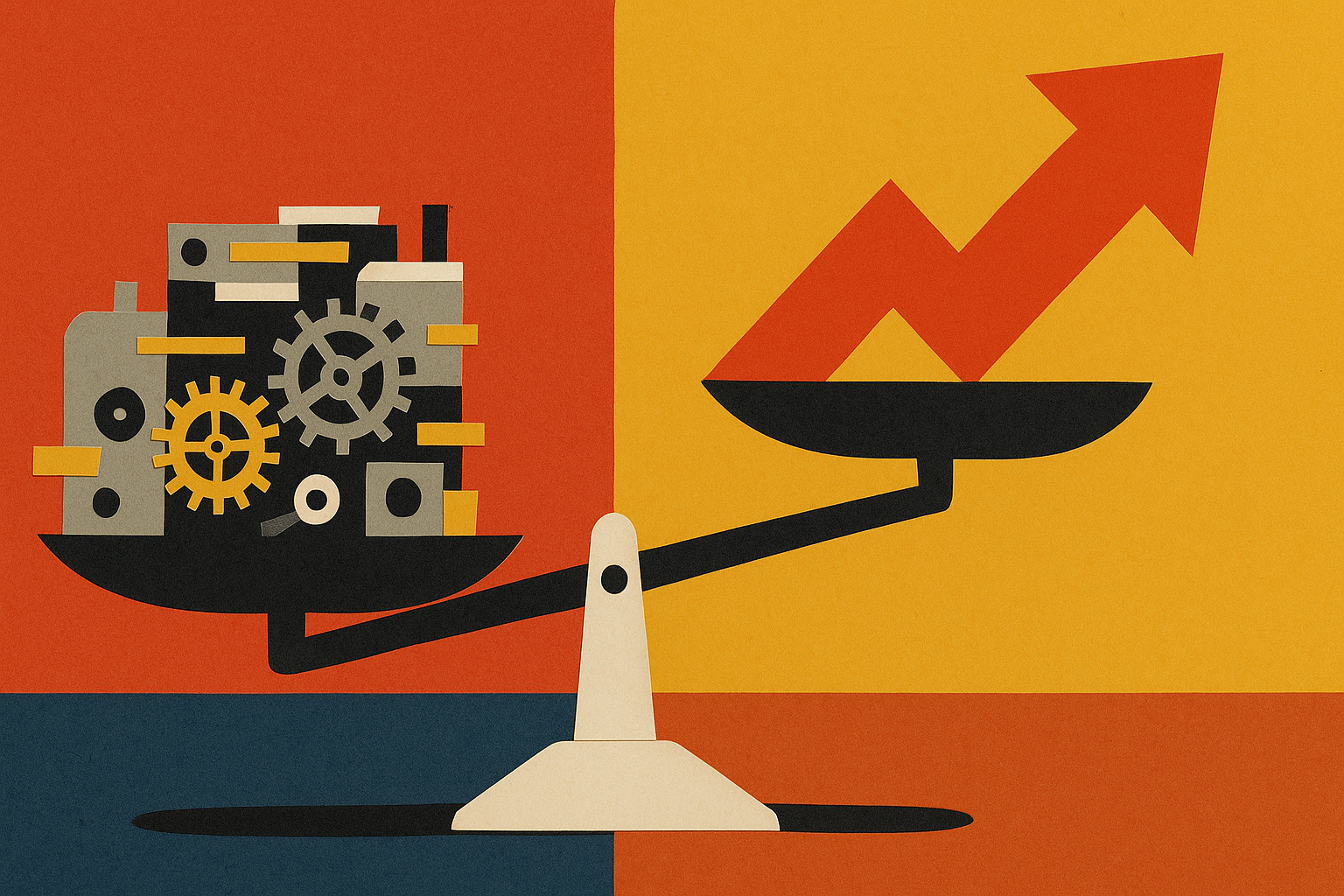
Because the buyer never compared the two products. They compared the two messages. A buyer can't evaluate the quality of your software before they own it. They can't feel your architecture or test your roadmap in a thirty-minute call. The only thing they can evaluate up front is whether they understand what you do, who it's for, and why it matters. The competitor who makes that clear in five seconds wins the deal the better product should have won.
The weaker competitor usually isn't winning on features. They're winning because they picked a position and you described a product. They named who they're for, named the old way they're against, and planted a flag. You listed capabilities and left the buyer to connect the dots. The buyer didn't connect them. Buyers never do that work for you. This is Solution-Centric Marketing, the villain I fight in nearly every engagement: a company so in love with its own solution that it forgets the buyer is shopping for clarity, not capability. It's the same root cause behind why your B2B website sounds like every other B2B website.
Positioning expert April Dunford makes this point plainly: positioning is the context that makes a product obviously valuable, and without it even a great product reads as confusing or boring. Get the context wrong and the buyer never sees the quality you built. They just see one more vendor they have to decode, and they pick the one they didn't have to.
Why is this worse in 2026 than it used to be?
Because clarity is the only thing left that's scarce. AI brought the cost of producing content, landing pages, and look-alike pitches to zero. Every category is now flooded with vendors who sound identical, because they're all prompting the same models with the same vague inputs and getting the same averaged-out copy back. Volume of content stopped being a moat. Volume of features stopped being one too. I unpack that shift in The State of B2B Messaging 2026: How AI Killed Volume and Made Voice the Only Moat.
When five vendors sound the same, the buyer doesn't reward the best one. They reward the clearest one, because clarity is the only signal they can trust. Gartner found that B2B buyers who saw a supplier's information as genuinely helpful in making sense of the decision were 2.8 times more likely to find the purchase easy and three times more likely to close a bigger deal with less regret. Read that again. The supplier who helps the buyer understand the decision wins more and wins bigger. Not the one with the better product. The one with the clearer story.
How do you tell if you're losing on the message, not the product?
Most founders assume they lost on price or features, because those are the losses they know how to fight. Run this on your last twenty losses and your last five stalled deals. Be honest about what you find.
- 1Read why you lost. If buyers picked a competitor you genuinely believe is weaker, that's a message loss, not a product loss, and no feature will fix it.
- 2Ask the buyers who chose someone else to describe that vendor in one sentence. If they can describe the competitor cleanly and can't do the same for you, you just found the gap.
- 3Run the Cover-the-Logo Test on your homepage. Hide your logo and show it to someone outside your company. If they can't say who it's for and what problem you end in five seconds, your buyer couldn't either.
- 4Listen to your own sales calls. If your reps spend the first ten minutes explaining what you do, you're making the buyer work to understand you. The clearer competitor isn't.
- 5Count how often 'wait, what exactly do you do' comes up after the pitch. Every instance is a buyer telling you the message didn't land.
- 6Check whether your story has a villain. If there's no old way you're against, you're an option, not a rebellion, and options lose to whoever sounds most certain.
What do we see across 200+ B2B companies?
After running this with more than 200 founder-led B2B companies in the 5 million to 75 million dollar range, the pattern barely changes. The teams losing to weaker competitors are almost always the ones most convinced their product should speak for itself. They've built something genuinely better, and they assume the buyer can see it. The buyer can't. Quality is invisible until after the purchase. The message is the only thing visible before it.
The competitors beating them usually have a worse product and a sharper sentence. They decided who they're for and what they're against, and they repeat it everywhere until the market believes it. That's category design and villain framing doing their job, two of the four anchors in a real strategic narrative. The better-product company keeps refining the thing the buyer can't see and ignores the thing the buyer actually decides on. I make the deeper case for that in Strategic Positioning Is the Only Moat AI Can't Copy.
What does it look like when a company fixes it?
Here's a composite from a handful of engagements that ran the same play. A 24 million dollar Series B cybersecurity company kept losing head-to-head deals to a rival with a thinner product and a fraction of their engineering team. Their own buyers admitted the platform was stronger. They still chose the other vendor, because the other vendor had a one-line story and this company had a feature matrix.
We didn't touch the product. We rebuilt the message around a single position: who they were for, the specific old way they were declaring war on, and a point of view sharp enough that a buyer could repeat it without the deck in front of them. We named the villain their buyers already felt but couldn't put words to. Within two quarters their win rate against that exact rival climbed from roughly one in four to better than half. Same product. Same price. A story the buyer could finally hold onto and carry to their own boss.
The better product vs. the clearer message: what actually decides the deal?
| The better product | The clearer message | |
|---|---|---|
| What the buyer can evaluate before buying | Almost nothing | Exactly who it's for and what it ends |
| What you're counting on to win | The buyer noticing your quality | A position the buyer gets in five seconds |
| What the rep does on the call | Explains what you do | Confirms what the buyer already understood |
| Your real edge | Invisible until after purchase | Visible before the first call |
| What the buyer repeats to their boss | A feature list, badly | One sentence they can't get wrong |
| Where you sit in the category | Just another option | The vendor with a flag in the ground |
What should we do about it this week?
You don't need to rebuild the product to start winning these deals back. You need to make your message as clear as the competitor's, then clearer. Three moves you can make this week:
- 1Write the one sentence a buyer would use to describe you to their boss. Who you're for, the exact problem you end, why the old way fails them. If it takes a paragraph, the buyer won't carry it, and the deal goes to whoever fits in a sentence.
- 2Name the villain. Every weaker competitor that beats you has a clear enemy. Pick the old way you're against and say it out loud on your homepage and in your deck. A flag in the ground beats a feature list every single time.
- 3Run the Three Questions Test on your homepage. Who is this for, what problem does it solve, what's the point of view, answerable in five seconds. If a stranger can't, neither can your buyer, and the clearer competitor takes the deal. Our free Brand Signal Score runs this exact check and scores where a buyer loses the thread, and the standard for what good looks like is in what a strong B2B positioning statement actually looks like. The same gap shows up on sales calls, and How do we create a differentiated sales pitch? walks through the competitor-rep test for finding it.
A weaker competitor beating you isn't a verdict on your product. It's a verdict on whose story the buyer could understand and repeat. The good news is the message is the one thing you fully control, and it's far cheaper to fix than the product you've already built. PitchKitchen builds Magnetic Messaging Frameworks for founder-led B2B companies in the 5 million to 75 million dollar range, fixing the broken messages and underperforming homepages that let clearer competitors win deals they never should have. It was founded by Greg Rosner, author of Story Craft for Disruptors. The Magnetic Messaging Framework (MMF) is built around four anchors: category design, villain framing, an old-way / new-way contrast, and a promised-land outcome. If a competitor you respect even less keeps closing the deals you should be winning, the fight isn't on the product. It's on the message, and that's a fight you can win this quarter.
Questions People Ask
FAQ
Why are we losing deals even though our product is better?
Because buyers can't judge product quality until after they buy, so they pick the vendor whose story they understood fastest. If a rival with a thinner product keeps winning, look at what the buyer heard: who you're for, the old way you replace, and why it matters now. Run the free Brand Signal Score on your homepage to see where a buyer loses the thread, then fix the pitch your reps give.
Why do companies with worse products win more B2B deals?
Because buyers can't evaluate product quality before they buy. They can only evaluate clarity: who you're for, what problem you end, and why it matters. The competitor who makes that obvious in five seconds wins the deal, even with a thinner product. Quality is invisible until after the purchase. The message is the only thing visible before it, and clarity beats capability in the buyer's head every time.
Is losing to a weaker competitor a product problem or a messaging problem?
If buyers consistently choose a rival you genuinely believe is weaker, it's a messaging problem. A product problem shows up as buyers rejecting you on the merits after real evaluation. A messaging problem shows up as buyers picking the vendor they understood fastest. The fix isn't more features. It's a sharper position the buyer can grasp and repeat without your deck in front of them.
How do I know if my messaging is costing me deals?
Pull your last twenty losses and read why you lost. If buyers picked competitors you believe are weaker, ask them to describe the winner in one sentence. If they can describe the competitor cleanly and can't do the same for you, your message is the gap. Run the Cover-the-Logo Test on your homepage too: if a stranger can't say who it's for in five seconds, neither could your buyer.
How does a clearer competitor actually beat a better product?
They pick a position instead of describing a product. They name who they're for, the old way they're against, and a point of view, then repeat it everywhere until the market believes it. The buyer rewards that clarity because it's the only signal they can trust before buying. The better-product company keeps refining the thing the buyer can't see and loses to the company with the sharper sentence.
What's the fastest way to stop losing deals to weaker competitors?
Write the one sentence a buyer would use to describe you to their boss: who you're for, the exact problem you end, and why the old way fails them. Name a villain, the old way you're against, and say it on your homepage and in your deck. A flag in the ground beats a feature list. Then test it: can a stranger repeat it after five seconds? If not, tighten it until they can.
Why has this gotten worse with AI?
AI brought the cost of content and look-alike copy to zero, so every category is now crowded with vendors who sound identical. When five vendors sound the same, the buyer can't reward the best one. They reward the clearest one, because clarity is the only thing they can trust. A clear point of view is now the scarcest asset in B2B, and it's the one thing AI can't fake for you.