Every article, newest first. Page 3 of 9.

How do we get our value proposition past the CFO?
Finance doesn't grade your story. It ranks your request against a headcount req, a renewal, and doing nothing. Here's what your value proposition has to contain to survive that comparison, plus fresh data on the one signal 178 of 302 companies leave at zero.
How do we break into large enterprise accounts?
Large institutions buy against a funded agenda, not a capability list. Here's the narrative that gets a growth-stage company through the door, plus the three homepage signals that decide whether anyone opens it.
We just raised. Do we fix the message or spend the round on demand gen?
A funded company doesn't get a clearer message. It gets a louder one. Distribution multiplies whatever story you hand it, which means an unclear message doesn't stay a marketing problem after the wire clears. It becomes your cost structure, your board baseline, and the number you get judged against for the next six quarters.

What actually gets rewritten when we rebuild our messaging?
Three things get rewritten in almost every B2B messaging rebuild, and the product description you agonized over usually isn't one of them. Here's what changes, what survives, and the order it has to happen in.
Why should a new CRO fix the message before hiring more reps?
A new revenue leader reaches first for the levers on their own dashboard, because those are the ones they can pull without permission. Here are three tests a CRO can run in month one to find out whether the pipeline problem they were hired to fix is actually a story problem sitting upstream of it.

Which of our features actually move a buyer?
Most B2B companies describe their product clearly and still watch buyers stall. We scored 302 homepages to find out which features earn a place in the opening argument, and where the rest belong.

How do we position against a platform our buyer already owns?
The platform only has to be good enough, and it's already paid for. Here's how to win the argument you're actually in, plus what 302 scored homepages reveal about the one sentence almost nobody writes.

Why does our website undersell what we built?
Sites hedge until nothing is worth acting on. Across 302 scored healthcare software homepages, Authority and Credibility averages 0.84 out of 2 and only 7 companies reach the top band. Here's how to make claims strong enough to sell and narrow enough to defend.

7 messaging mistakes we see in every health tech pitch
Health tech pitches fail for the same seven reasons, and none of them is the product. The seven mistakes, in the order they appear in the deck, and the one gap underneath all of them.
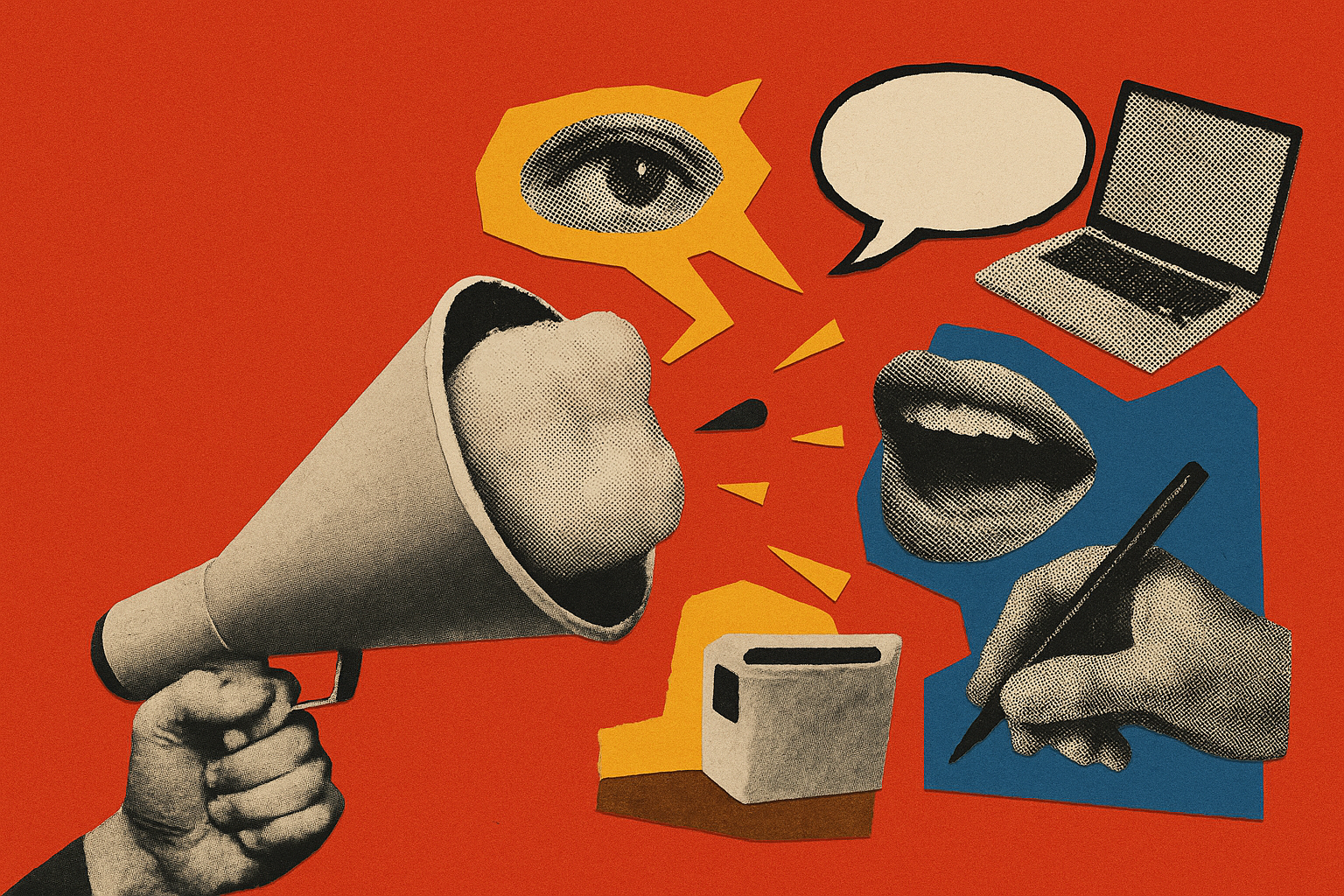
Why does our health tech website undersell what we built?
Health tech sites hedge until nothing is worth acting on. Across 302 scored health tech homepages, Authority and Credibility averages 0.84 out of 2 and only 7 companies reach the top band. Here's how to make claims strong enough to sell and narrow enough to defend.

Why doesn't our health tech messaging move buyers?
We scored 302 health tech homepages on 19 signals. They average 1.56 out of 2 on explaining the product and 0.10 on naming what the buyer would do instead. Here's what that gap costs, and the three checks that tell you whether your page has it.
Why is marketing weak at every company in our portfolio?
When five portfolio companies in five different markets all have the same marketing problem, it stops being five problems. Here is how to tell whether you are looking at one missing asset repeating itself, and the three tests to run before you fund another agency or another marketing hire.

How does our website undersell what we built?
Here's the mechanism: every review pass sands a little specificity off every claim until nothing is worth acting on. Across 302 scored healthcare software homepages, Authority and Credibility averages 0.84 out of 2 and only 7 companies reach the top band. Here's how to make claims strong enough to sell and narrow enough to defend.

7 messaging mistakes we see in every sales pitch
Pitches fail for the same seven reasons, and none of them is the product. The seven mistakes, in the order they appear in the deck, and the one gap underneath all of them.
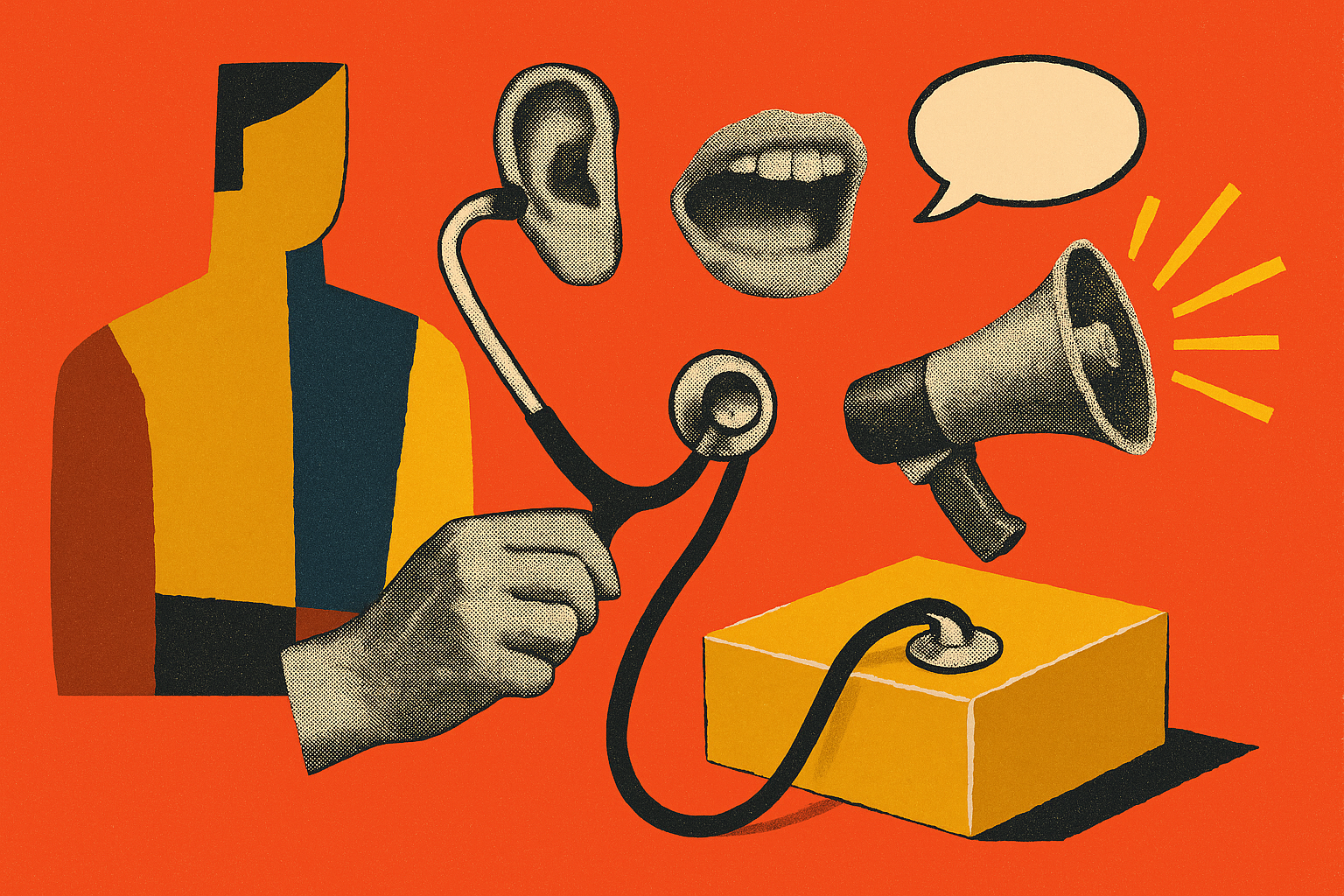
Why doesn't our messaging move buyers?
We scored 302 healthcare software homepages on 19 signals. They average 1.56 out of 2 on explaining the product and 0.10 on naming what the buyer would do instead. Here's what that gap costs, and the three checks that tell you whether your page has it.

Should we hire April Dunford or Andy Raskin to fix our positioning?
Dunford fixes what you're compared to. Raskin fixes why anyone should move now. Here's an honest read on both schools, a three-check diagnostic to tell which problem you have, and the case where neither workshop is the answer.
What goes wrong when you build an AI Brand Twin?
We built our own AI Brand Twin before we sold one, and the hard part wasn't the technology. Here's the build log: what the knowledge layer couldn't answer, the day a retired catchphrase kept shipping, and the three failures that show up in every build.
How do you build an MVP AI Brand Twin?
We built our own AI Brand Twin before we sold one. Here's what the minimum viable version needs, what you can leave out of the first build, and the three failures that show up every time.
We just raised. Should we fix our messaging before we scale demand gen?
New capital multiplies whatever story you hand it, including a broken one. Here's how to tell whether your round is about to fund reach for a message that was never decided, and the three tests to run before the first dollar goes out.
How do you build an AI Brand Twin on an MCP server?
The server took an afternoon. Deciding what was true about the company took months. Here's the smallest build worth shipping, and the three failures that showed up in ours.
Will our AI Brand Twin survive the next marketing hire?
A documented narrative identity transfers to a new marketing leader in three files and a login. What breaks continuity is the unanswered question of what a new hire is allowed to change. Here's the settled-versus-open ledger, a first-90-days sequence, and the four-question takeover test.
Can our SEO agency fix our AI visibility?
Your SEO agency can make your site findable and readable. Neither one makes you repeatable, and repeatable is what an AI engine needs before it recommends you by name.
What's the best way to give ChatGPT and Claude our brand voice permanently?
Custom instructions, memory, Projects, Custom GPTs, Claude Styles, connectors. Ranked by what actually survives a new chat, a new hire, a model upgrade and a vendor switch, plus the reason a perfectly installed brand still writes like everybody else.
Do we need a brand identity consultant, or do we need to decide who we are first?
"Brand identity consultant" covers at least three different jobs, and most growth-stage tech companies go shopping for the wrong one. Three ten-minute tests tell you which layer is actually broken.
Do we need a specialized brand identity consultancy, or will a general marketing agency do?
A consultancy sells you a decision. An agency sells you capacity. Here's the day-one test that tells you which one your company actually needs, and what it costs when you pick wrong.
How do we keep our messaging consistent when everyone on the team writes with AI?
Twelve people, twelve private versions of the company, and a tool that turns each one into a hundred finished-looking drafts. Consistency stopped being a training problem the day your team started writing with AI.
The Forwarded Version: your proposal argues your case in rooms you'll never enter
The proposal is the only document in your funnel that travels without a human attached, and it's usually the one nobody positioned. Here's what page one should say, and how to find out what yours is arguing.
Can one partner handle our brand identity and our sales training, or do we need two?
Two firms, two good engagements, and eight weeks later your reps are telling a story neither one wrote. The vendor count isn't what decides this. The written source between them is.

What does an AI Brand Twin cost, and what are we actually buying?
An AI Brand Twin ships inside the 90-Day Magnetic Messaging Sprint at $15,000 to $45,000 fixed, and you own every layer. Here's what moves the number, what the MCP server that serves it to your team costs, and why the software is the cheapest part.

How do we keep our brand identity intact when our sales outreach is automated?
Automation is a multiplier on whatever message you hand it, so an undecided message just ships faster and wider. What breaks first when you automate a narrative you never settled, and how an MCP server keeps cold, warm, and inbound lanes sounding like one company.
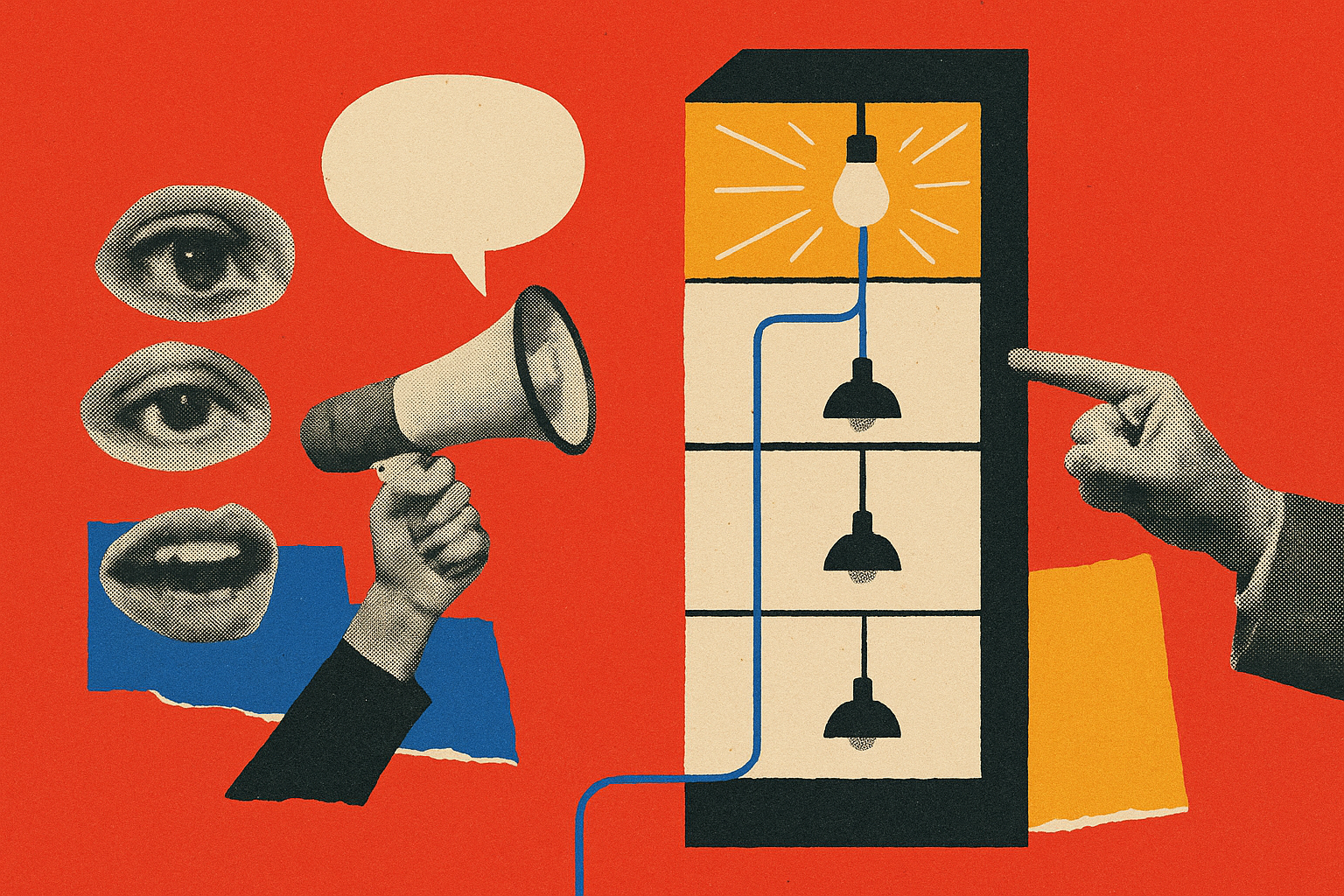
How do we roll out an AI Brand Twin so our team actually uses it?
The technical install of an AI Brand Twin takes days. Getting a team to actually use it takes a quarter. Here's why the MCP server is the doorway that decides adoption, the rollout order, the ownership rule, and the three patterns that stall most deployments in the first month.
The Size Ladder: your pricing tiers sort buyers by budget, not by the problem they came to solve
Starter, Pro and Enterprise tell a buyer where you rank them and nothing about what changes for them. Package by the problem each tier ends and the page starts doing the sorting your reps are doing by hand.
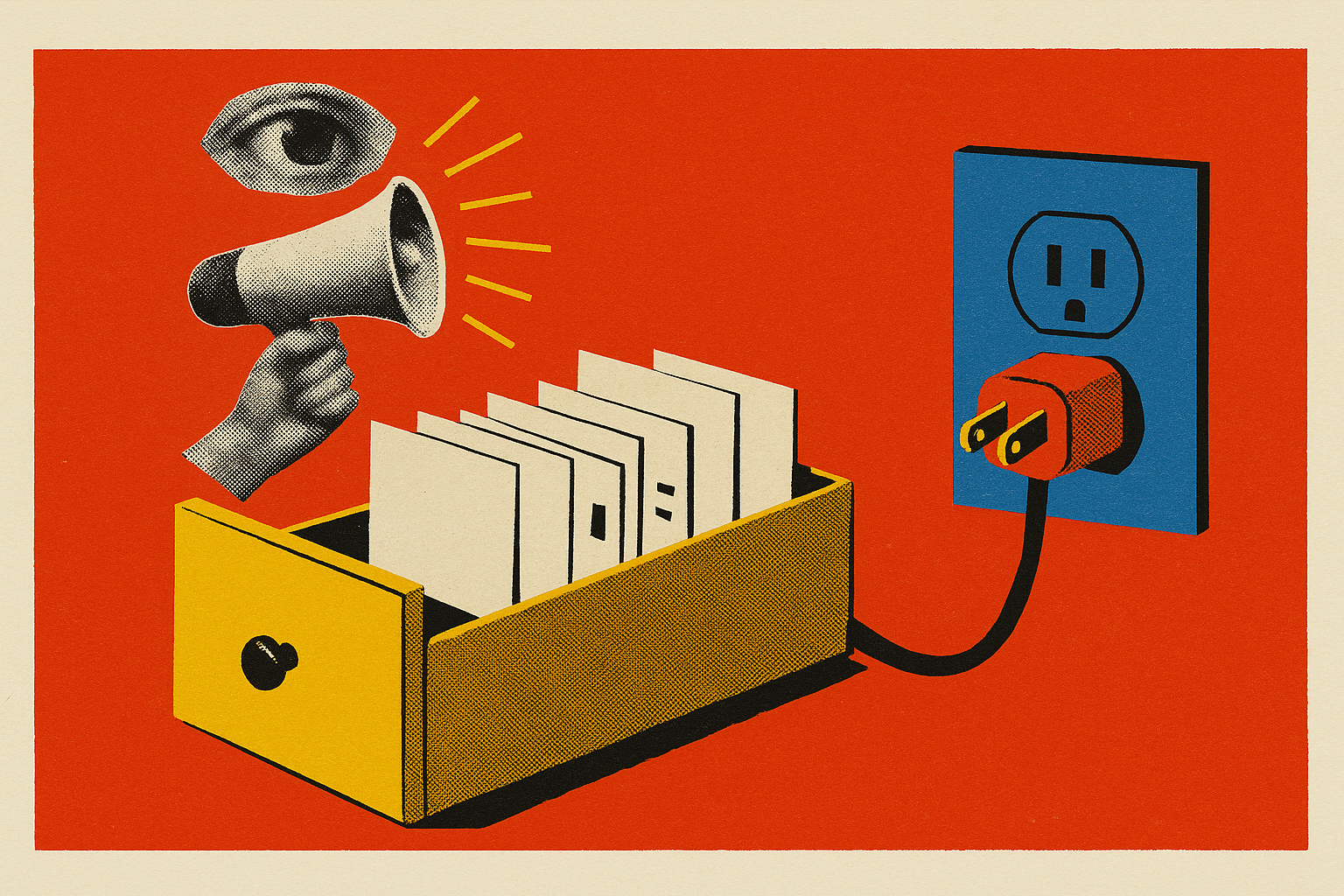
Can we set up an MCP server so Claude writes in our brand voice?
Yes, and connecting it takes four minutes. What decides whether the output sounds like your company is what the server hands back when Claude asks, and tone adjectives won't do it.
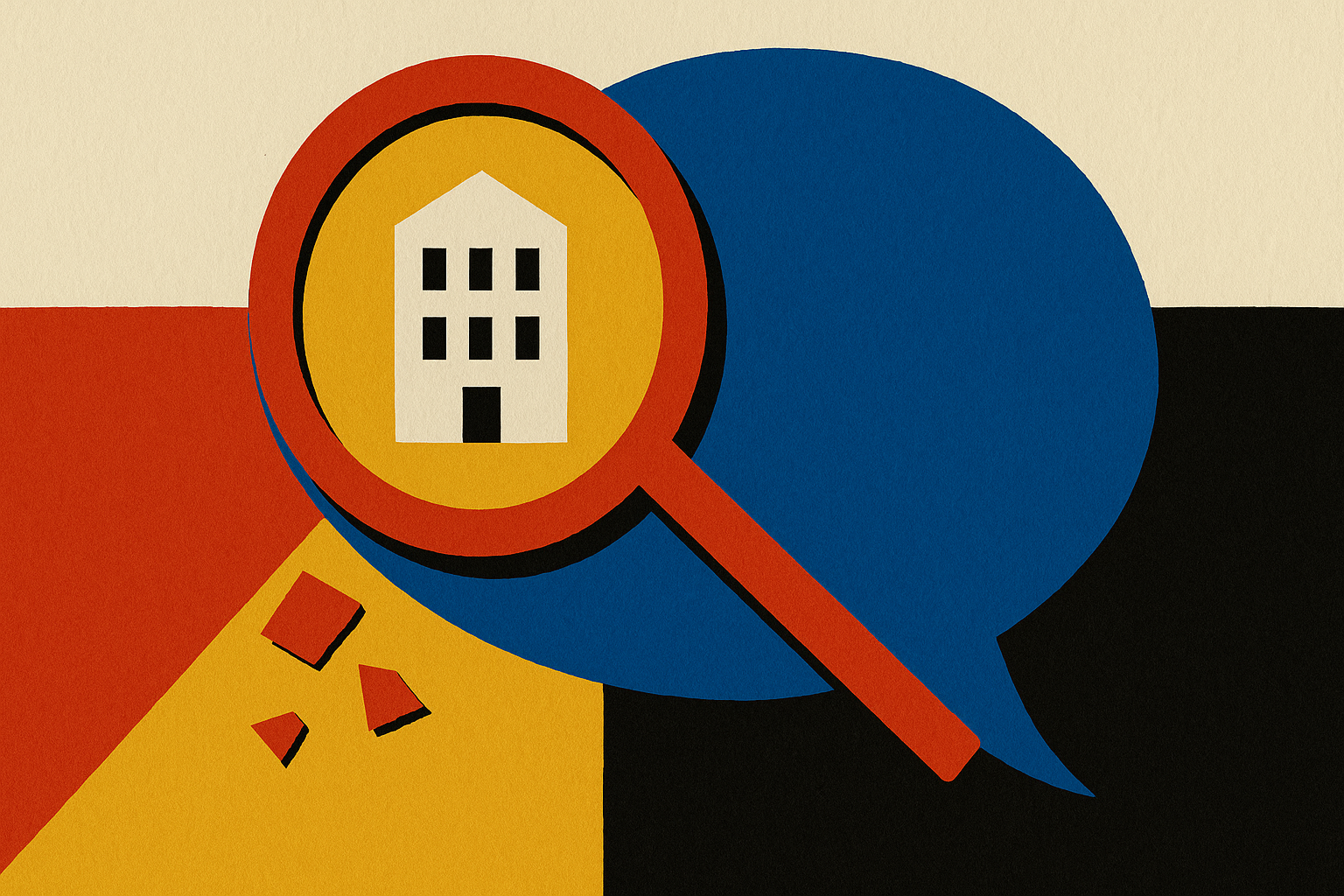
How do we audit our website for what AI assistants say about us?
Most AI visibility audits are crawl checklists. Here's the six-step comprehension audit you can run in an afternoon, the four patterns it turns up, and what we found when we ran it on our own site.
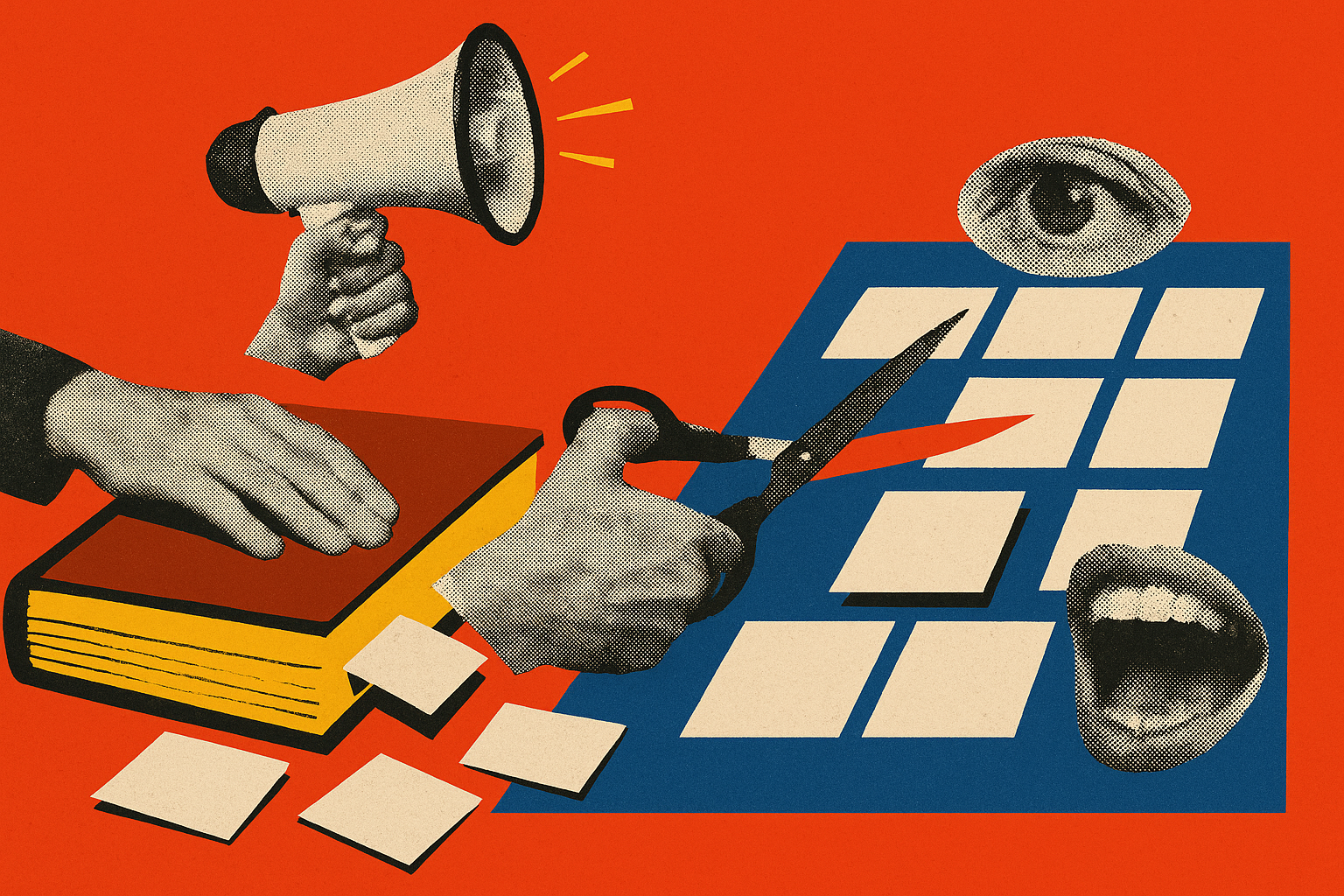
How do we make our brand guidelines machine-readable so our AI tools can use them?
Machine-readable brand guidelines aren't a file-format problem. They're a rewriting problem: descriptions become decisions, rules get a condition they can fail, and the document gets split into units a tool can fetch one at a time.
The Reference Gap: why your happiest customer is the wrong one to put on the call
A CEO lost a $410K deal three weeks after handing the buyer his two best references. He assumed price. I asked what his references actually said on those calls, and he had no idea. Nobody in his company had ever asked. We called them, and the answer was forty seconds of warm, accurate, deal-killing praise.
The First-Sale Ceiling: why your biggest accounts stop growing at the problem you sold them on
A CEO showed me a slide last week: 340 customers, six products, 1.4 modules per account. He'd hired a customer marketing director, built in-app upsell prompts, run a webinar series. Nothing moved. Then I asked what his customers say he does, and he answered in four words without pausing.
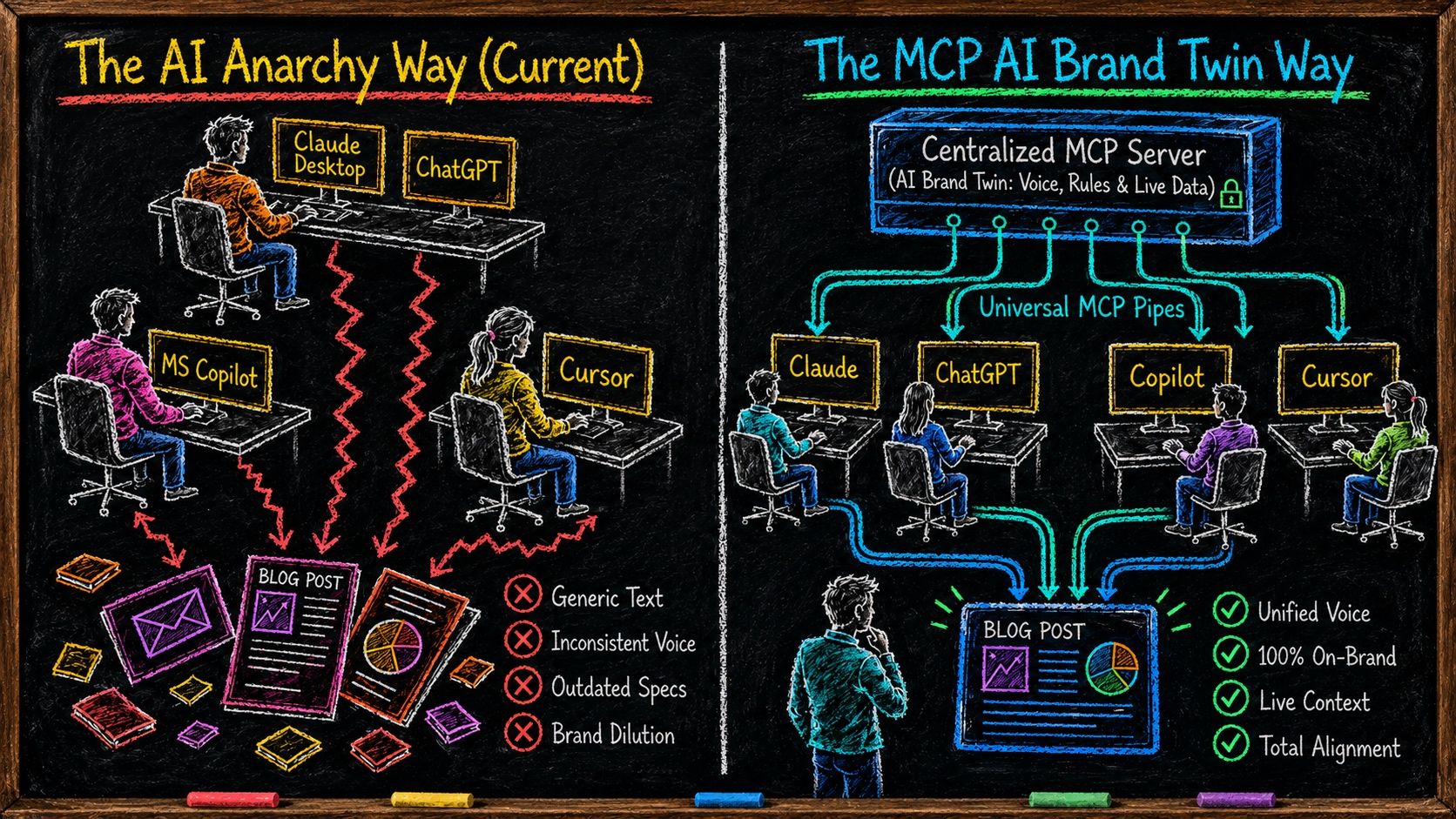
How do we get every AI tool our team uses to follow our messaging framework?
Your framework loses to the text box. Every person prompting AI re-summarizes your company from memory, and the model fills the gaps with the industry average. Here's how a messaging framework becomes an MCP server every tool queries live, and what has to be true before it helps.
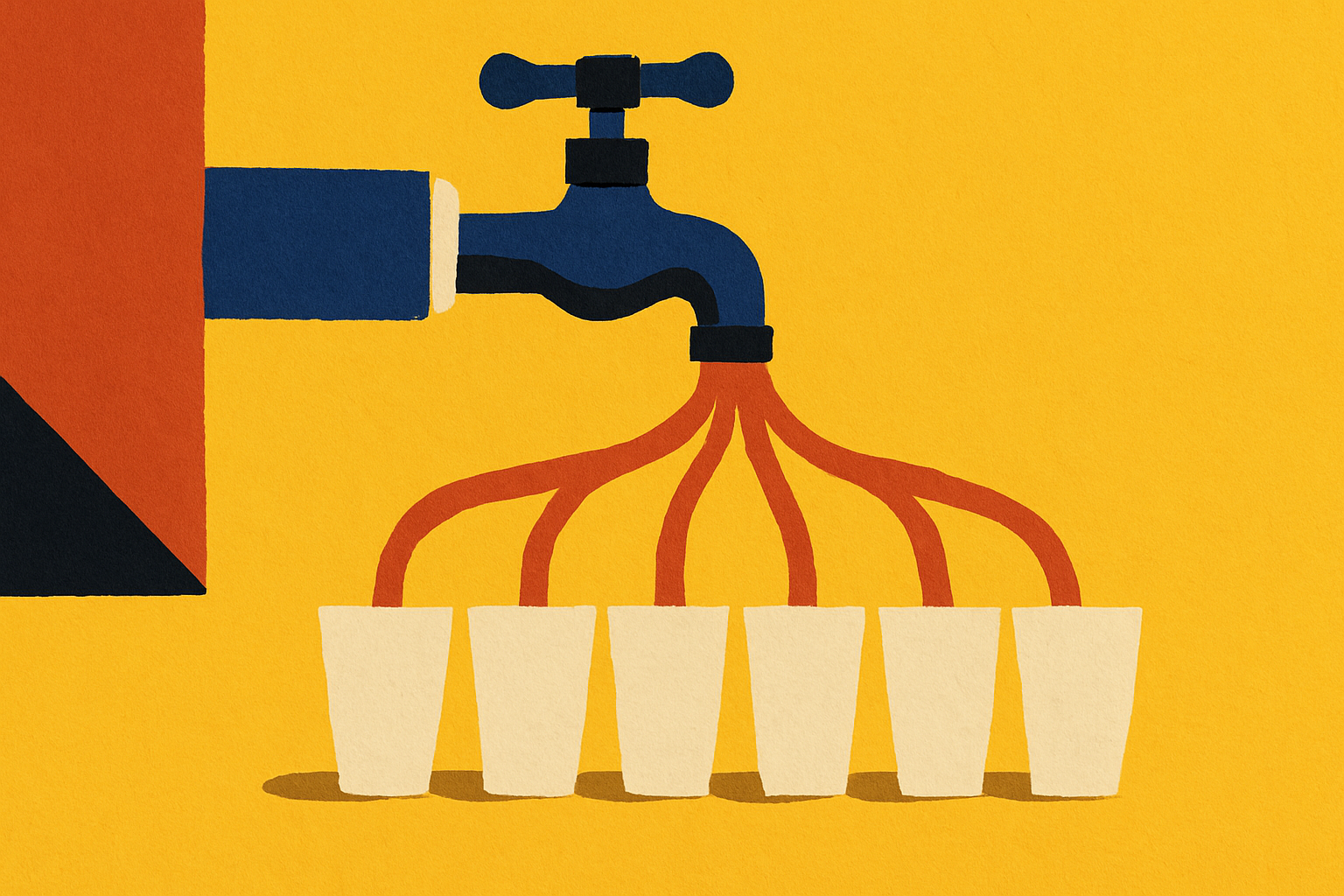
Should we build an MCP server for our brand and messaging guidelines?
Most companies shouldn't build one yet. An MCP server distributes whatever you feed it, so if the positioning is still unsettled, it scales the confusion. Here's the 20-minute self-check that tells you which side of that line you're on.

What does a messaging engagement actually deliver, and how do you know it worked?
A messaging engagement delivers a documented narrative identity your team and your AI can both execute, plus the leading and lagging metrics to prove it moved buyers. Here's exactly what you get and how to measure it.
Should we sell features that are still on the roadmap?
A CRO sent me a call recording last week with one line above it: why is a deal we won in March already wobbling? Nineteen minutes in, his best rep hit a gap and said the sentence that closed it. That's on the roadmap for Q4. It wasn't on the roadmap. It was on a list.
Who writes the criteria B2B buyers evaluate you on?
A medical device software CEO forwarded me a forty-row vendor evaluation matrix and asked how he was losing on it. Eleven of the rows were near-verbatim from a competitor's 2024 buyer's guide. He'd been arguing with a document his competitor wrote, in a language his competitor chose, for two years.
Why does our board keep funding more leads instead of a better message?
A cybersecurity CEO had eleven marketing metrics on his board slide and every one of them was a count. He could name the real problem in ten seconds with the deck closed. There was nowhere on the slide to put it, so the board funded more of the lever he already knew was stuck.
The Hiring Tell: your job posts are positioning documents, and buyers are reading them
A fintech CEO lost a senior candidate last week because the job post and the homepage described two different companies. He had nine open roles live on his own domain, syndicated to four job boards, written by seven different hiring managers and reviewed by a lawyer. Nobody who owns the message had read a word of any of them.
The Manual Majority: why AI learns your company from your docs, not your homepage
Last week a healthtech CEO asked Claude a question buyers in his category ask every day. Two of the three paragraphs that came back were lifted almost word for word from his own help center. The recommendation at the bottom named his competitor. His documentation did the teaching and somebody else got the introduction. He had never read a single page of it.

Why does AI keep recommending firms from lists we're not on?
AI engines answer "who should we hire" with third-party lists, not vendor websites. Our tracking data shows which lists get quoted, which get ignored, and why list-makers leave growth-stage firms off.
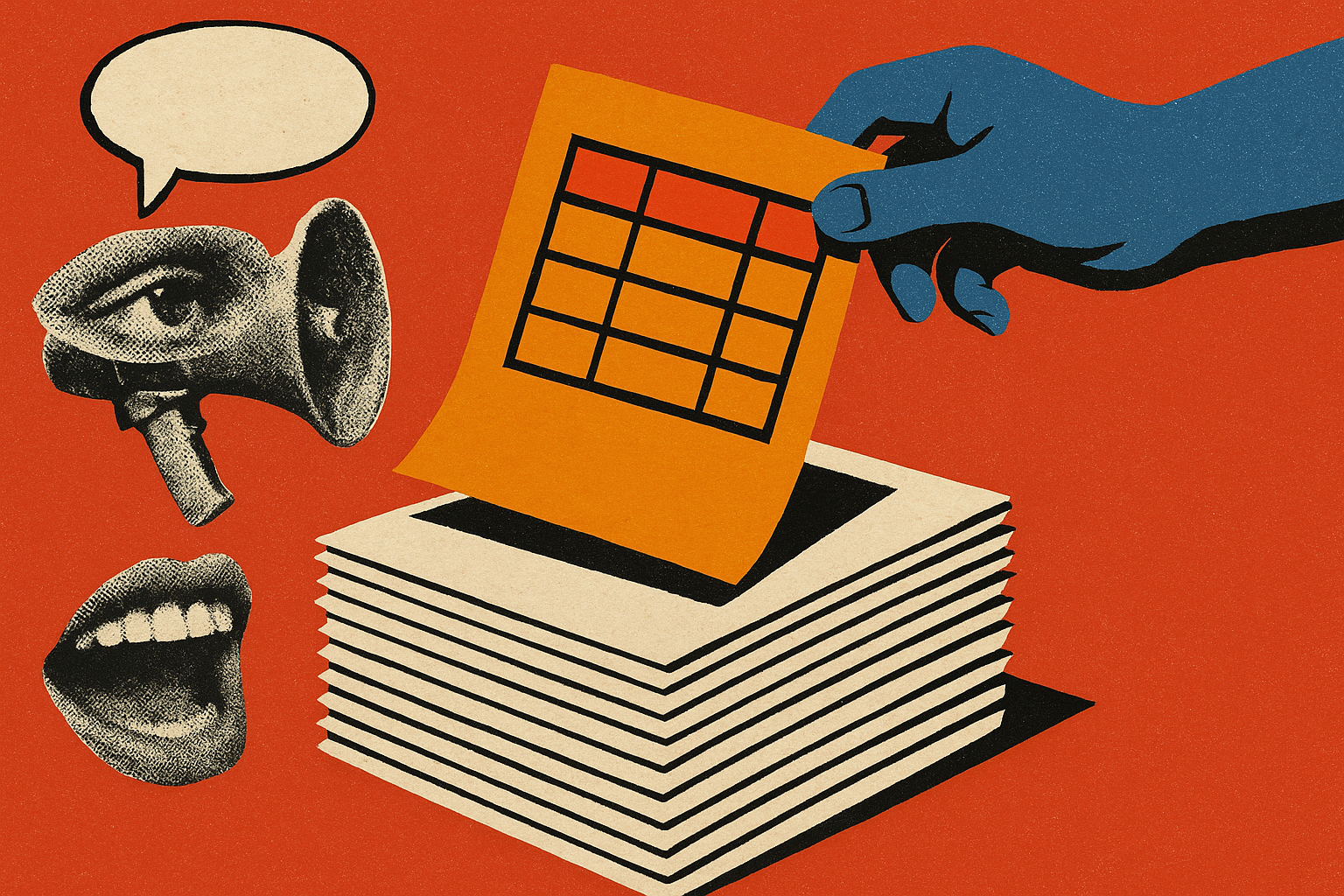
Which pages actually get you cited by AI engines?
We tracked every page AI engines pulled from our site for five weeks. Nine of the ten most-retrieved pages were listicles or comparisons. Not one essay made the list, and we've published more than 250 of them.

How do AI engines decide which consultants to recommend?
AI engines sort consultants, they don't evaluate them. A services firm leaves almost no structured evidence behind, so the shortlist gets built from third-party lists and from whether your own language names a category, a buyer, and a fit. Our own tracking shows the same firm at two-thirds visibility in one category and zero in another.
Or find your problem